
Why Your Lock Is Sticking
Sticky Locks
A Sticking Lock Is Trying to Tell You Something
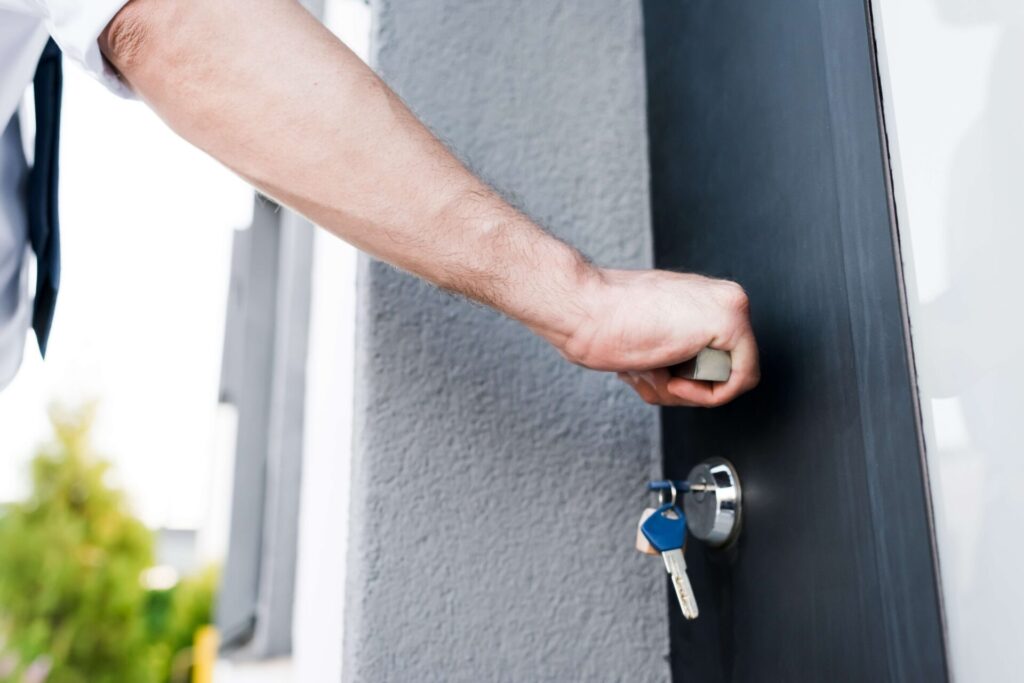
That stiffness rarely fixes itself, and it usually gets worse over time.
We often get called to fix a sticking, grinding, or jiggling lock around Pakenham. It is easy to put up with, but a sticky lock is almost always an early sign of wear or a build-up of grime inside the mechanism. Left alone, it tends to go one way: from annoying to unreliable to failing completely, often at the worst possible moment.
The excellent news is that catching it early gives you options. Sometimes the fix is simple and something you can do yourself. Other times it points to a worn lock or a misaligned door that needs a professional. This guide walks you through the likely causes, the safe things to try and the point at which it is worth picking up the phone.
The Causes
What Makes a Lock Stick
Most sticky locks come down to one of three things.
Before you reach for the spray or start forcing the key, it helps to know what you are actually dealing with. A sticking lock is usually caused by dirt, wear or alignment, and the right fix depends on which one it is. Here are the three usual suspects.
Dirt and Grime
Dust, grit and old lubricant build up inside the cylinder over time, stopping the pins from moving freely. This is the most common cause and often the easiest to sort.
A Worn Lock or Key
Locks and keys wear with years of use. A worn key or worn internal parts stop lining up properly, which makes turning stiff and unreliable. A bent or damaged key does the same.
A Misaligned Door
If the door has dropped or the frame has shifted, the bolt no longer lines up with the strike plate. The lock feels stiff, but the real problem is the door, not the cylinder.
What to Try Before You Call
01
Clean It Out
Puff out dust with compressed air and apply a proper lock lubricant, a dry graphite or PTFE type, not oil or WD-40, which attracts more grime. This alone fixes many sticky locks.
02
Check the Key
Try a spare key. If the spare works smoothly, your original is worn or bent and simply needs recutting. Never force a key that is sticking, as that is how keys snap off in the lock.
03
Look at the Door
See if the door sits square in the frame and whether the bolt meets the strike plate cleanly. If it is catching or the gaps look uneven, the door alignment is likely the cause and needs adjusting.
100%
Licensed & Insured
24/7
Emergency Callouts
10+
Years’ Experience
500+
Happy Customers
Sticky Lock Questions
Why has my lock suddenly started sticking?
Usually it is a gradual build-up rather than a sudden fault, dirt and old lubricant inside the cylinder, or wear on the lock and key that has finally reached the point you notice it. A sudden change can also follow weather or moisture affecting the door or the door dropping slightly so the bolt no longer lines up. Cleaning and lubricating is the first thing to try.
Can I fix a sticking lock myself?
Often, yes. Cleaning the cylinder and applying the right lubricant fixes many sticky locks, and recutting a worn key sorts many of the rest. What you should not do is force a stiff key or keep using a lock that is getting worse, since that risks a snapped key or a full failure. If the simple fixes do not work, it is time to call a locksmith.
What lubricant should I use on a lock?
Use a lubricant made for locks, such as a dry graphite or PTFE-based spray. Avoid oil-based products like WD-40, as they work briefly but attract dust and grime, leaving the lock stickier than before over time. A dry lubricant keeps the mechanism clean as well as smooth.
Is a sticking lock a security risk?
It can become one. A lock that is sticking is wearing or fouled, and a lock that fails can either lock you out or, worse, fail to lock properly and leave you exposed. It is also a sign the lock may not be doing its job reliably. Dealing with it early keeps a small annoyance from turning into a security problem.
Why does my key work but the lock is still stiff?
That usually points to the door or the bolt rather than the key. If the door has dropped or the frame has moved, the bolt drags against the strike plate, which feels like a stiff lock even though the cylinder is fine. Adjusting the door or the strike plate fixes it. A locksmith can pinpoint which it is quickly.
When should I just replace the lock?
If cleaning, lubricating and a fresh key do not solve it, the lock is likely worn out internally and replacing it is the reliable fix. The same applies if the lock is old, has been forced, or no longer feels secure. We can usually tell you on the spot whether a repair will hold or whether replacement is the better value.